Benefits

What to avoid

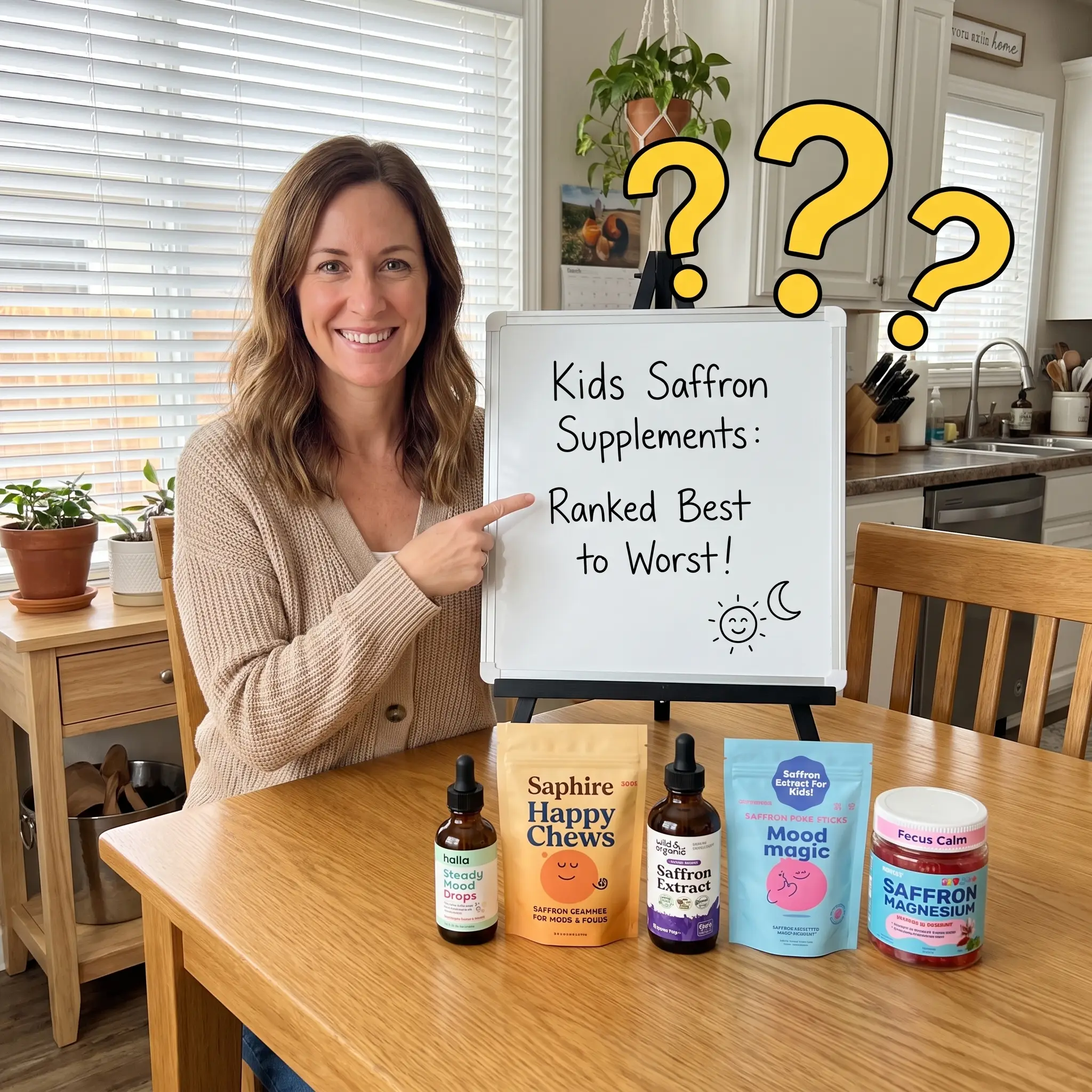
Top 5

If you have a kid who can't sit still, can't focus in class, really bad temper meltdowns and behavior issues — you've probably already heard about saffron.

And there's a reason it keeps coming up. Saffron is the only natural ingredient that's been tested head-to-head in children with ADHD — in real randomized, double-blind trials — and held its own. Not "shows promise in mice." Actual kids, actual parent and teacher scoring, actual results.

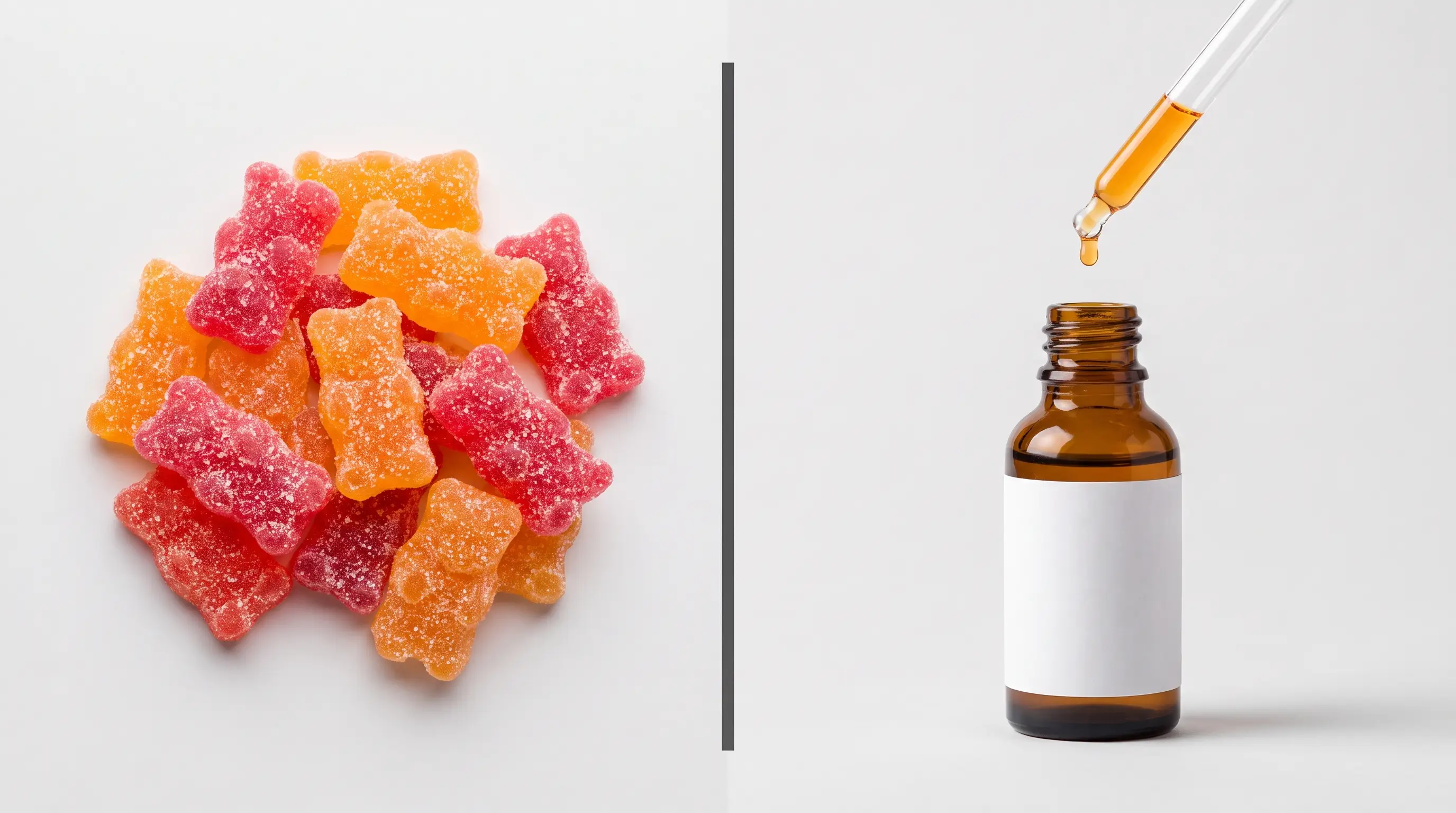
So you did the sensible thing. You bought the gummies.

Of course you did. They're everywhere. They're cute. Your kid will eat them without a fight. The bag says "Saffron" in big friendly letters, "Focus & Calm" underneath, maybe "30mg" if you look closely.

You gave them every morning for a month, maybe two. You watched. You waited.
Nothing. Same mornings. Same meltdowns. Same bedtime.
So you did what every parent does: you crossed saffron off the list. "Tried it. Didn't do anything for him."

This is the Gummy Trap.

The ingredient works. The gummy doesn't. But because the gummy was your only experience with saffron, the ingredient takes the blame — and you move on to the next thing that won't work either.
Here's what nobody told you when you bought that bag:

A gummy has two problems. Both of them are hiding on the back of the bag.

Problem #1: What's actually in it. The children's studies didn't use "saffron." They used a saffron extract, standardized so a known percentage of it was the active compounds — safranal and crocin. Most gummies don't do that. Flip the bag and you'll find "saffron stigma powder," or "extract" with no standardization printed at all, or a blend where saffron is one of seven things sharing a single gummy. A few now print big numbers — 44mg, 50mg, 88mg — standardized to as little as 0.3% safranal. Halla's extract is 6%. That's a 20x difference in the active compound, hiding behind a bigger number on the front.
The question was never "how many milligrams." It's "30mg of what?"

Problem #2: The gummy itself. Real saffron is bitter, floral, and — to a seven-year-old — kind of gross. The only way to get a kid to chew it is to bury it under sugar (or a stack of sweeteners), flavoring, and dye. So the format that makes it easy to give is the same format that squeezes the actual ingredient down to whatever fits in a candy — and turns "give him his supplement" into "give him a treat."
Then there's the part you already know: it's candy, and your kid has opinions about candy. Wrong texture. Wrong flavor. "I don't like these anymore." Half the bag ends up in the back of the cabinet. One parent said it perfectly: "I'm still out about $100 for a product my kids won't even use."

Underdosed and under-eaten. That's the trap.

When you finally give your child the actual studied dose — a standardized extract, the amount the research used — in a format that goes in without sugar and without a negotiation, the Gummy Trap finally breaks.

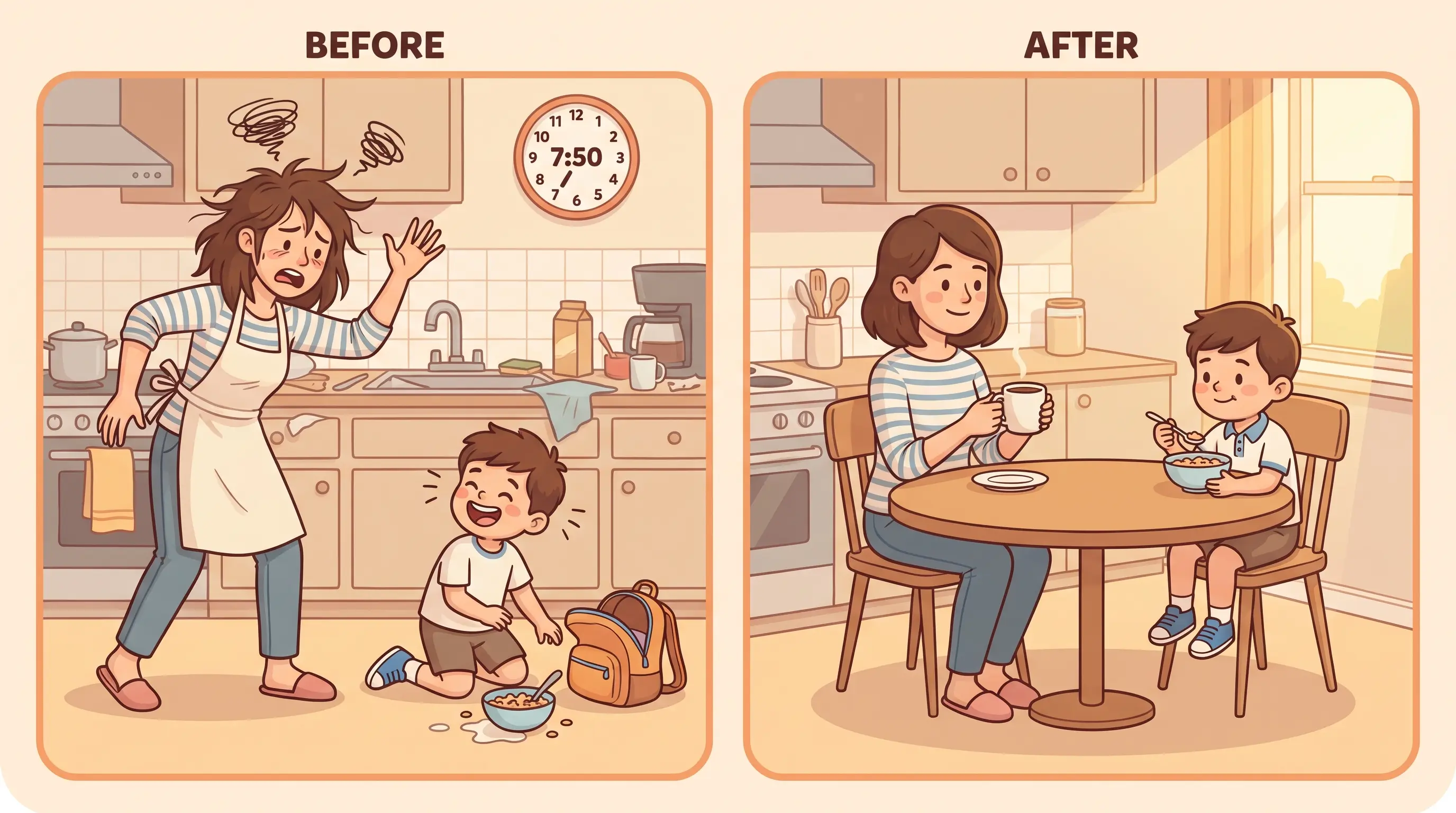
What Actually Changes When Your Kid Gets The Real Thing

The morning stops needing eleven reminders to put on one shoe

The fuse gets longer — "no" doesn't turn into a 40-minute meltdown

Homework starts without you standing over the table

Bedtime gets easier, not later — the wind-down comes on its own

No appetite loss, no jitters, no 3pm crash — there's nothing to wear off

You stop yelling. Not because you tried harder — because there's less to yell about

Why "We Already Tried Saffron" Usually Means "We Tried A Gummy"

When we started digging into this category, we assumed the difference between brands would be small. It isn't. The gap between what the studies gave kids and what's inside the average gummy is the whole reason parents walk away convinced saffron is hype.
For a saffron supplement to have a real shot at the focus, mood, and bedtime changes the pediatric research describes, it has to clear three bars — and gummies struggle with all three:

The 3-Point "Not A Gummy" Test

The Dose Kids Were Actually Given (30mg Of A Standardized Extract) — The children's trials used roughly 20–30mg per day of saffron extract. So the label needs the word "extract," a milligram amount in that range, and the standardization printed next to it — safranal and crocin percentages. If a brand won't tell you the percentage, it's because the number isn't one they'd want you to see.

A Format That Skips The Sugar — And The Negotiation - Saffron tastes like saffron. Gummies and candy-style powders fix that with sugar or sweeteners and dye, and you're still hoping your kid is in the mood for one. A sugar-free liquid dropper doesn't need to taste like candy to get taken: one dropper in a smoothie, in juice, or straight in the mouth, five seconds, done. The supplement that works is the one that goes in 60 mornings in a row.

Proof It Contains What It Says - Supplements aren't checked by the FDA before they go on sale. The only thing standing between the label and the truth is independent third-party testing — and a label that lists every ingredient at its real dose, with no "proprietary blend" hiding the numbers. If they hide the number, assume they have a reason.

Miss any one of the three and you're back in the Gummy Trap — giving your kid something every day and wondering why nothing's different.

Finding all three in one bottle is rarer than it should be. Most parents we spoke to went through three or four products — usually starting with gummies — before landing on something that held up. Which is exactly why we ranked them.

Red Flags On The Label (Put It Back If You See These)

It's a gummy or candy (sweeteners and dye to hide the taste, a fraction of the space for the ingredient, and a kid who can refuse it)

"Saffron stigma powder" (ground-up spice, not a standardized extract)

No safranal or crocin % anywhere on the label

A giant milligram number with a tiny standardization (44mg at 0.3% safranal is less active compound than 30mg at 6%)

"Proprietary Focus Blend" (saffron is listed, the dose isn't)

"Dosage varies by child, adjust as needed" (no clinical dose behind it)

3–5g of sugar per serving for a kid you're trying to steady, not spike

No Third-Party Testing

2026's Top 5 Saffron Supplements For Kids

We spent 3 months on this — pulling supplement-facts panels, checking standardization against the pediatric studies, counting sugar, confirming third-party testing, and reading hundreds of parent reviews for the one thing that matters: did the kid actually take it, and did mornings change. Here's how they stack up:

1

BEST OVERALL 2026

A+

OVERALL GRADE

PROS

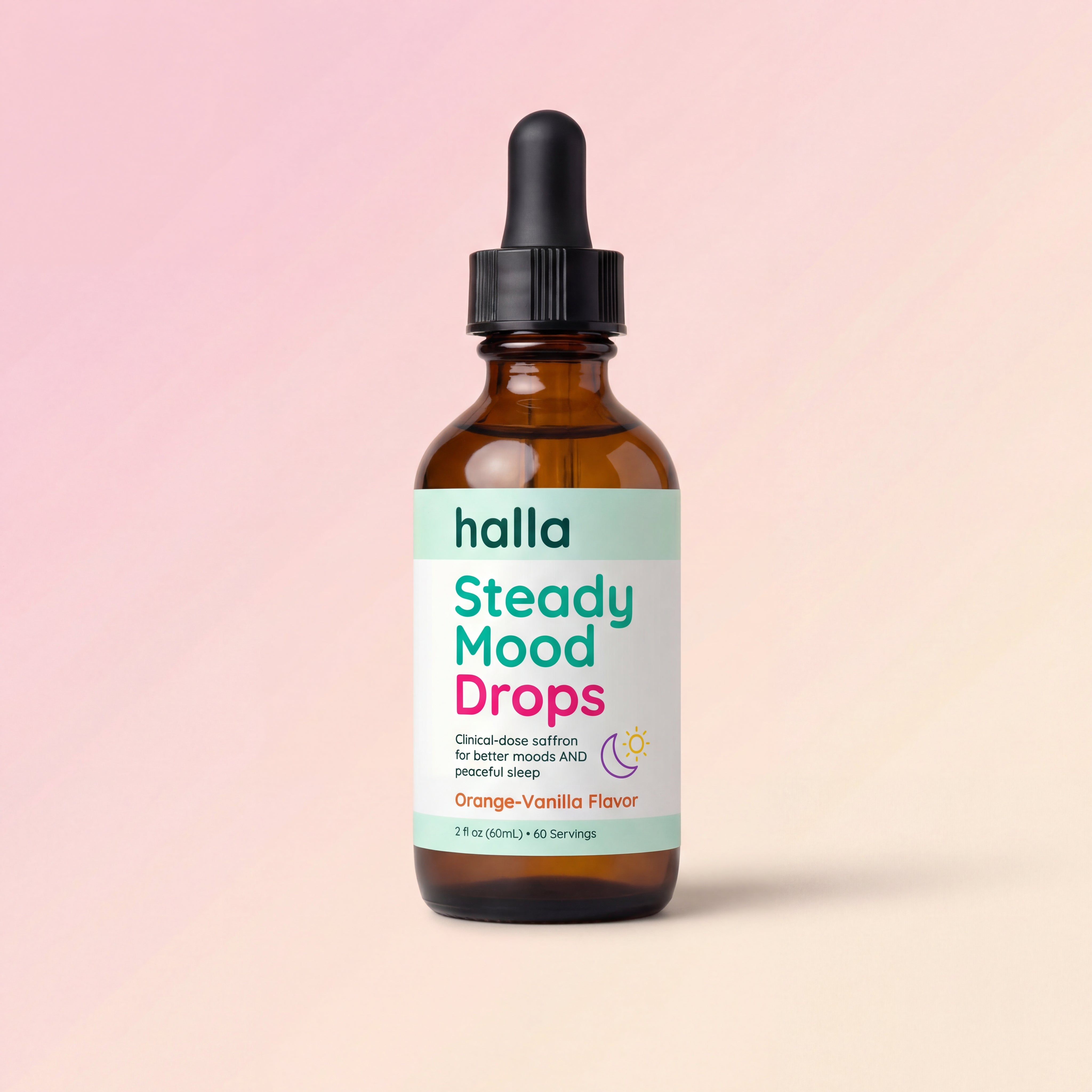
30mg saffron extract per dropper — the dose the children's research used

Standardized to 6% safranal, 3% crocin — printed on the label

Liquid dropper, not a gummy — 5 seconds, no chewing, no negotiating

Zero sugar, zero dyes, vegan

Every supporting ingredient at a disclosed dose — maritime pine bark, liposomal phosphatidylserine, magnesium L-threonate. No blend.

Stimulant-free — no appetite loss, no jitters, nothing to wear off at 3pm

Helps the wind-down at night, not just focus in the day

Third-party tested, made in the USA

60 servings — two full months in one bottle

Orange-vanilla flavor kids don't fight — mixes into juice or a smoothie

Can be given alongside medication (tell your prescriber)

Most parents notice a shift within 2–6 weeks

Free shipping available

60-day money-back guarantee — even on an empty bottle

CONS

Only available online (not in stores)

Often sells out due to high demand

Builds over weeks — it's not a same-day stimulant, and it's not supposed to be

The Bottom Line

Halla is the one product on this list built around what the studies actually did, instead of what fits in a gummy. 30mg of saffron extract, standardized to 6% safranal, in a sugar-free dropper — with every number printed where you can check it.

It stacks the studied saffron dose with maritime pine bark, liposomal phosphatidylserine, and magnesium L-threonate — each at a real, disclosed dose — so the formula covers the whole day: steadier mornings, a longer fuse, easier homework, and a wind-down at night that doesn't need melatonin. Because nothing in it is a stimulant, there's no appetite crash and nothing wearing off at pick-up. And because it's a dropper instead of candy, it goes in 60 mornings in a row without a standoff. If your only experience with saffron was a gummy that did nothing, this is the version that was never in that bag — making Halla not just the most effective choice, but an unbeatable value for the results.

Price Note: Saffron is, by weight, the most expensive spice in the world, and its cost keeps climbing. A price increase is likely — but active subscribers are locked in at the current price. Since saffron works through consistent daily use, subscribing now is the practical call.

Lock In Low Pricing »

2

RUNNER-UP

#2. Saphire Happy Chews

B

OVERALL GRADE

PROS

Uses Affron®, a branded standardized saffron extract

Sugar-free, vegan, gluten-free

Made specifically for kids (ages 4+)

Large parent following, lots of reviews

CONS

Saffron mg per gummy isn't published — you can't compare it to the studied dose

Contains St. John's Wort — an herb with well-known medication interactions, in a product for children

Also adds GABA and passionflower — four actives with no doses listed

Gummy — still a chew your kid can refuse

$49.95 for a 30-day supply

The Bottom Line

Saphire deserves credit for two things: getting saffron in front of a lot of parents, and using Affron®, a real standardized extract instead of ground-up spice. For many families it's the first saffron product they ever bought. It's also where the Gummy Trap usually starts.

How Much Saffron? They Don't Say

The ingredient is right. The amount isn't printed. Affron® has been studied at specific doses in kids and adults — but without the mg on the label, you have no way of knowing whether one gummy is anywhere near that. The dosing guide is "1 gummy for ages 4–6, 1–2 for ages 7–12," which is a range, not a dose.

St. John's Wort. For A Child.

This is the one that made us pause. St. John's Wort is one of the most interaction-prone herbs in the supplement aisle, and it's rarely recommended for children at all. If your kid is on any medication — or might be — this is a conversation with the prescriber before the first gummy, not after.

Still A Chew

Sugar-free, which we like. But it's still a gummy: limited room for the ingredient, and a kid who can decide he's done with them. At $49.95 a month, an untouched bag hurts.

Learn More »

3

THIRD PLACE

#3. JoySpring Mood Magic Saffron Sticks

B-

OVERALL GRADE

PROS

28mg saffron extract per stick — close to the studied range

Sugar-free, third-party tested, made in USA

Adds magnesium citrate and vitamin D3

Can be poured in water instead of eaten

CONS

No safranal/crocin standardization printed — 28mg of what?

Sold as "pixie sticks candy" — supplement positioned as a treat

Only 25 servings per bag — not even a full month

Magnesium citrate (not the form that crosses into the brain) and unlisted amounts for the rest

Powder sticks are messy, easy to spill, easy to skip

The Bottom Line

JoySpring gets closer than most: 28mg of saffron extract is a real number, printed on the label, near the range the children's studies used. That puts it ahead of almost every gummy on Amazon.

28mg — Of What?

The milligram number is there. The standardization isn't. Without a safranal or crocin percentage, 28mg could be a strong extract or a weak one, and there's no way to tell from the bag. That's the whole question this category hinges on.

It's Literally Sold As Candy

The listing calls them "pixie sticks candy." That's the pitch: your kid tears one open and pours it on his tongue. It works — right up until he decides he's over it, or a stick ends up on the car seat instead of in the kid.

25 Servings Isn't A Month

Saffron needs consistent daily use for weeks before you judge it. A 25-count bag runs out before you've given it a fair shot, and at $39.99 that's about $1.60 per day.

Learn More »

4

RANKED #4

#4. Wild & Organic Saffron Extract Drops

C+

OVERALL GRADE

PROS

Liquid dropper — right format, no chewing

Prints the standardization on the label (most don't)

Sugar-free, alcohol-free, vegan, organic

168 servings — very cheap per dose

CONS

Standardized to only 0.3% safranal — 20x below Halla's 6%

"88.5mg" on the front is doing all the work

Not a kids' product — no pediatric dosing guidance

Saffron only — nothing else in the bottle

Tastes like plain saffron in glycerin

The Bottom Line

Wild & Organic gets the format right — it's a dropper, not candy — and, to their credit, they print the number most brands hide. The problem is what the number says.

Biggest Number On The Shelf, Weakest Extract

88.5mg sounds like three times the studied dose. But look at the line under it: 0.3% safranal. Halla's extract is standardized to 6%. That's the clearest example on this list of why milligrams alone tell you nothing — the "bigger" dose contains a fraction of the active compound.

Built For Adults, Not Kids

There's no children's dosing on the label, no kid-friendly flavor, and nothing else in the formula. If you want to hand it to a seven-year-old, you're guessing.

Saffron And Nothing Else

Fine if you only want saffron. But the pediatric picture — focus, mood, wind-down — is better served by pairing it with supporting ingredients at real doses.

Learn More »

5

RANKED #5

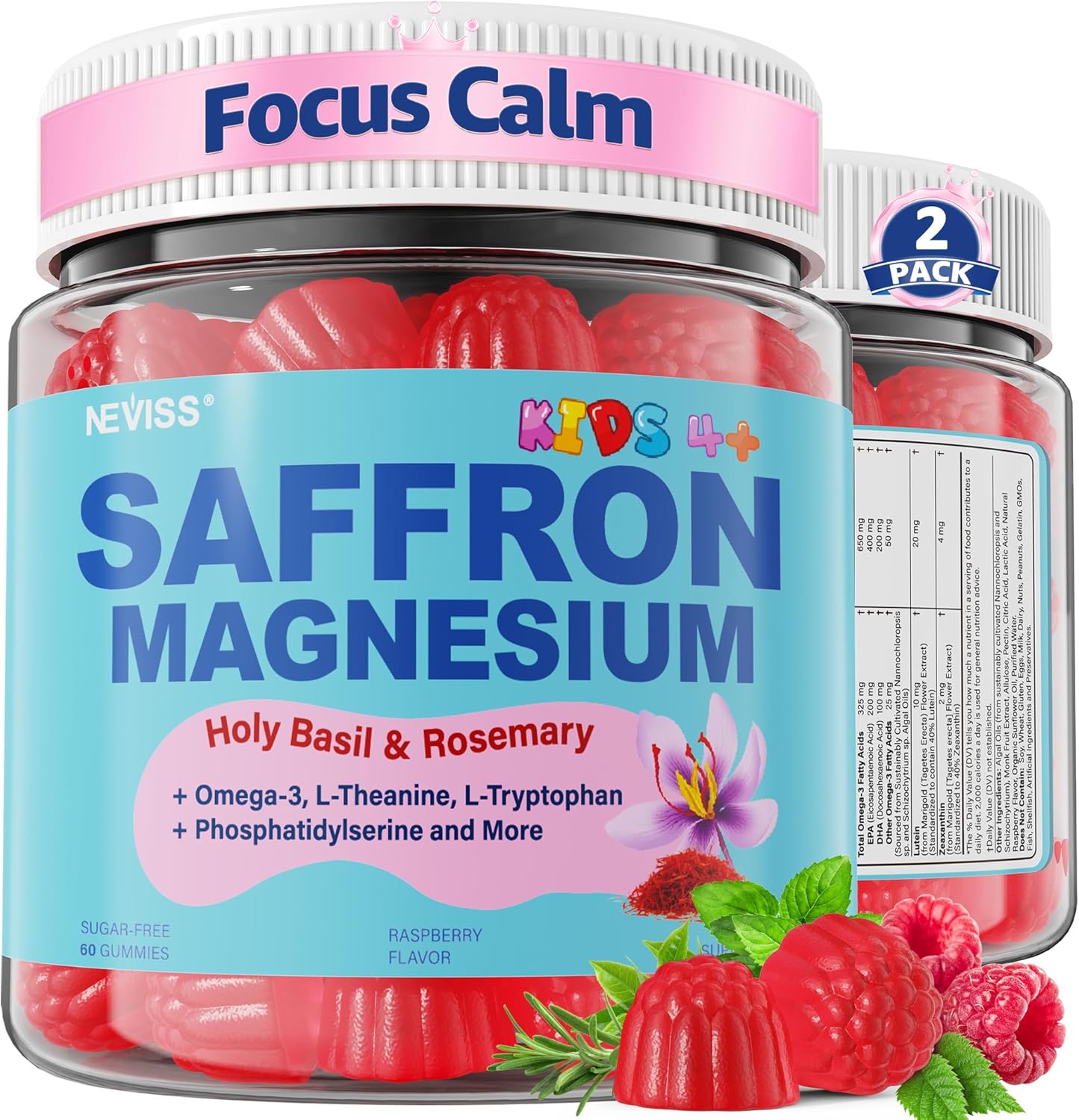
#5. NEVISS Kids Saffron + Magnesium Gummies

C

OVERALL GRADE

PROS

Sugar-free

Includes magnesium and omega-3

Cheap — sold as a 2-pack

Raspberry flavor kids will eat

CONS

10+ ingredients in one gummy — saffron is one line on a crowded label

No safranal/crocin standardization disclosed

Unknown Amazon-only brand, no studies, no track record

Omega-3, magnesium, and saffron can't all fit in a gummy at meaningful doses

Gummy — dyes, sweeteners, and a kid who can refuse it

The Bottom Line

NEVISS is the kitchen-sink gummy: saffron, magnesium, omega-3, holy basil, rosemary, L-theanine, L-tryptophan, phosphatidylserine, "and more" — in a single raspberry chew. It looks like the most complete product on this list. It's the least.

Ten Ingredients, One Gummy

A gummy has a few grams of room. Split it ten ways and almost everything in it is a sprinkle. Omega-3 alone at a useful dose wouldn't fit — so nothing else is getting a real dose either.

No Standardization, No Brand, No Studies

The saffron line gives you no safranal or crocin percentage, the brand has no history outside Amazon, and there's nothing cited behind the formula. You're trusting a label.

Still A Gummy

Same problem as every gummy here: it's candy, and candy gets refused.

Learn More »

CITATIONS

  1. https://pubmed.ncbi.nlm.nih.gov/30741567/ — Baziar S, et al. Crocus sativus L. Versus Methylphenidate in Treatment of Children With ADHD. J Child Adolesc Psychopharmacol. 2019.
  2. https://www.mdpi.com/2072-6643/14/19/4046 — Blasco-Fontecilla H, et al. Efficacy of Saffron as an Add-On to Methylphenidate in Children With ADHD. Nutrients. 2022.
  3. https://pubmed.ncbi.nlm.nih.gov/29331602/ — Lopresti AL, et al. Affron, a standardised extract from saffron, for youth anxiety and depressive symptoms. J Affect Disord. 2018.
  4. https://pubmed.ncbi.nlm.nih.gov/32056539/ — Lopresti AL, et al. Effects of saffron on sleep quality in healthy adults with self-reported poor sleep. J Clin Sleep Med. 2020.
  5. https://www.chop.edu/ — Children's Hospital of Philadelphia, saffron for ADHD (page to confirm)
  6. https://www.ncbi.nlm.nih.gov/pmc/articles/PMC4599112/ — Khazdair MR, et al. The effects of Crocus sativus (saffron) and its constituents on nervous system. 2015.
  7. https://pubmed.ncbi.nlm.nih.gov/24299602/ — Hausenblas HA, et al. Saffron and major depressive disorder: a meta-analysis. 2013.
  8. https://ods.od.nih.gov/factsheets/WYNTK-Consumer/ — NIH Office of Dietary Supplements.
  9. https://meonutrition.com/ — Saffron supplement analysis, gummy ranking (page to confirm)